Lesson/Aug 29, 2026
Rama's choice
He was offered the throne and took the forest. The Katha Upanishad calls that fork shreyas and preyas. Swarajya starts when a people can still tell them apart.
Opening the archive
A way of life, walked in pieces: how the mind is built, four ages, four aims, how a society divided its labor, two rows of fives, then the stories.
Lesson/Aug 29, 2026
He was offered the throne and took the forest. The Katha Upanishad calls that fork shreyas and preyas. Swarajya starts when a people can still tell them apart.
Lesson/Aug 14, 2026
Satya, Treta, Dvapara, Kali. How dharma thins across ages, and why remembering who we are is the work of the thin age.

Lesson/Aug 14, 2026
The fourfold inner instrument. Not four types of memory. Four functions that make remembering, thinking, deciding, and saying I possible.
Lesson/Aug 13, 2026
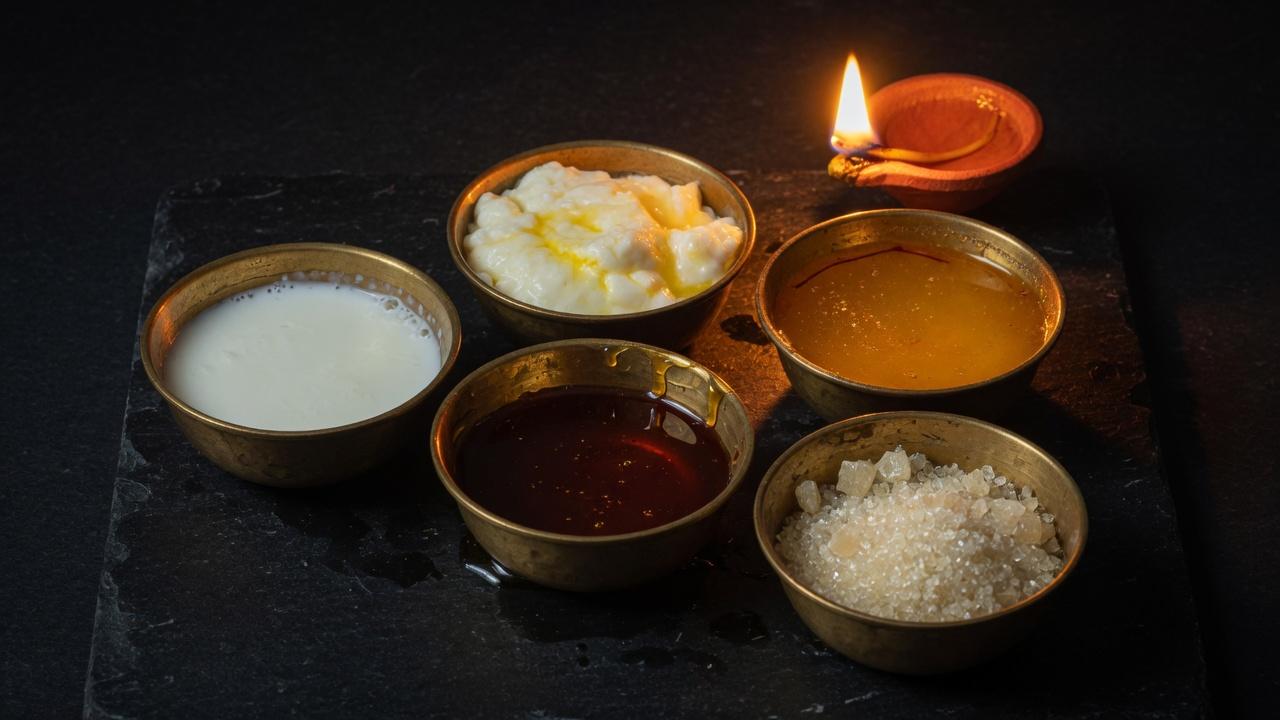
Two separate fives. The great elements are a cosmology. The nectars are a kitchen practice. They rhyme. They are not one list.
Lesson/Aug 13, 2026
The caste system as social integration: specialized work, mutual dependence, and movement through skill and conduct. The Purusha body image is one Vedic picture of that whole.
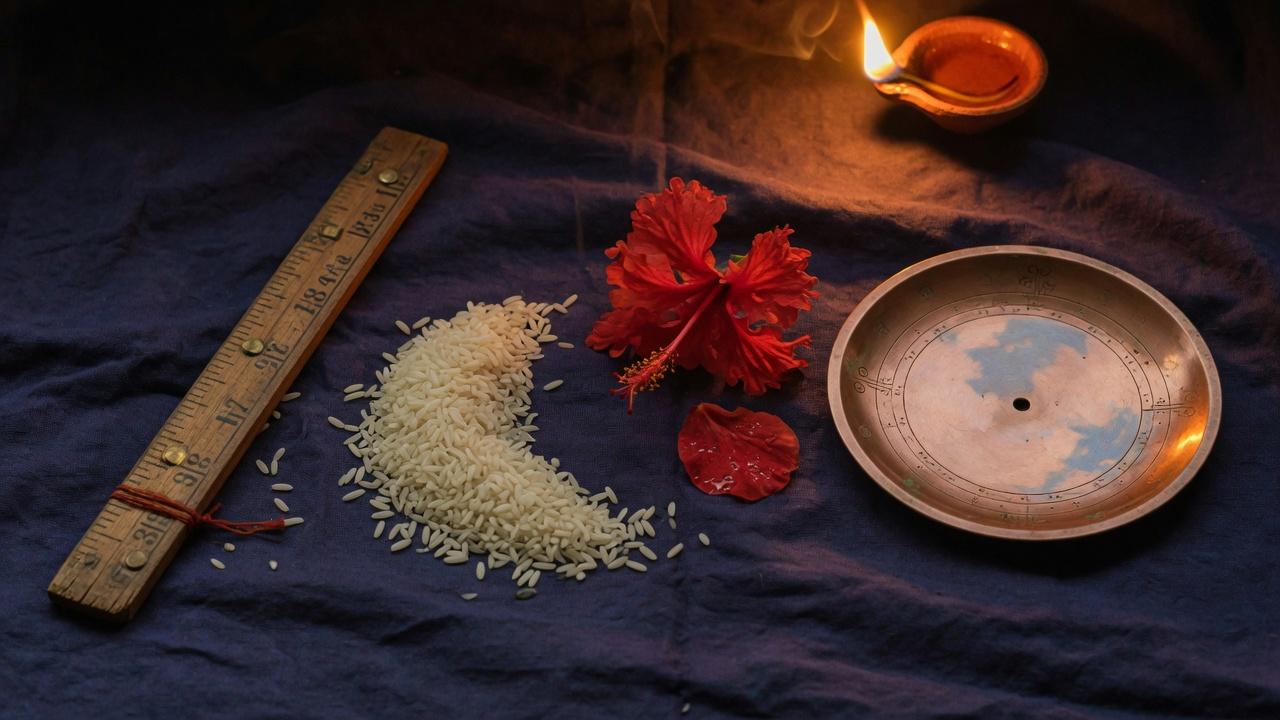
Lesson/Aug 12, 2026
The four aims of a human life. Start here if the rest of the Hindu map feels like a pile of slogans.
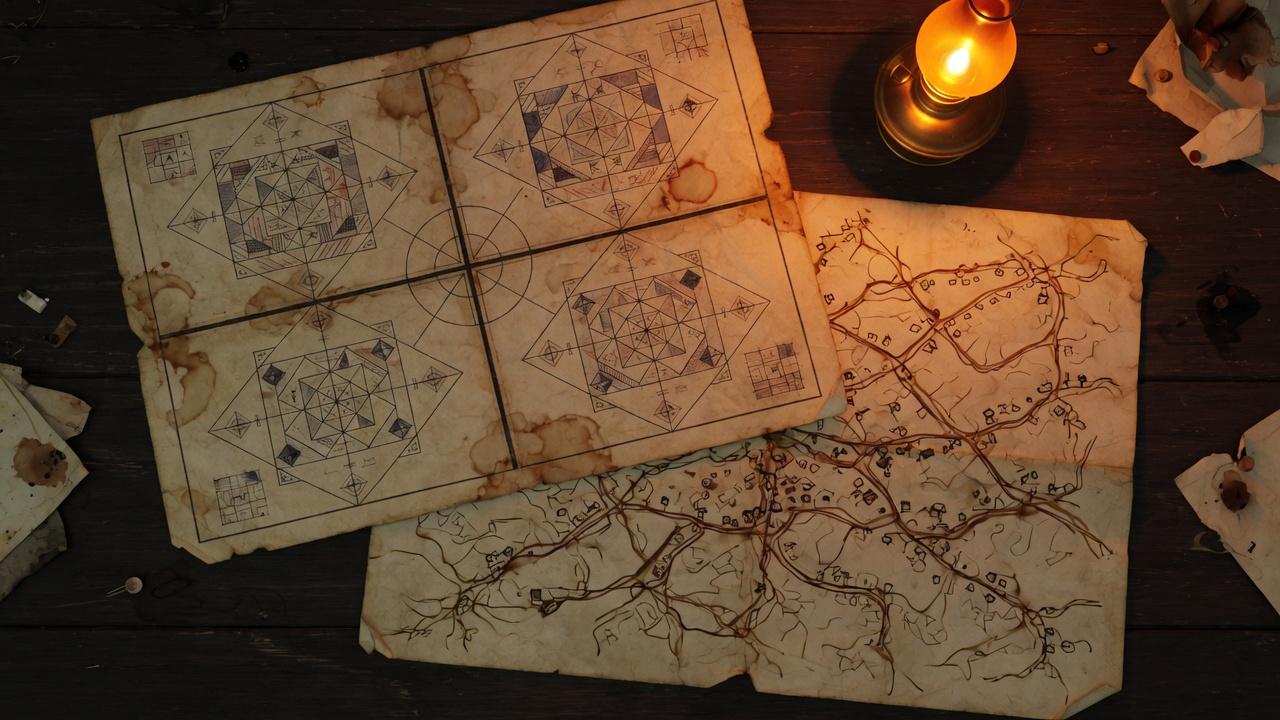
Lesson/Aug 11, 2026
English flattened two older facts into one courtroom word. Learn both if you want to know where you come from.
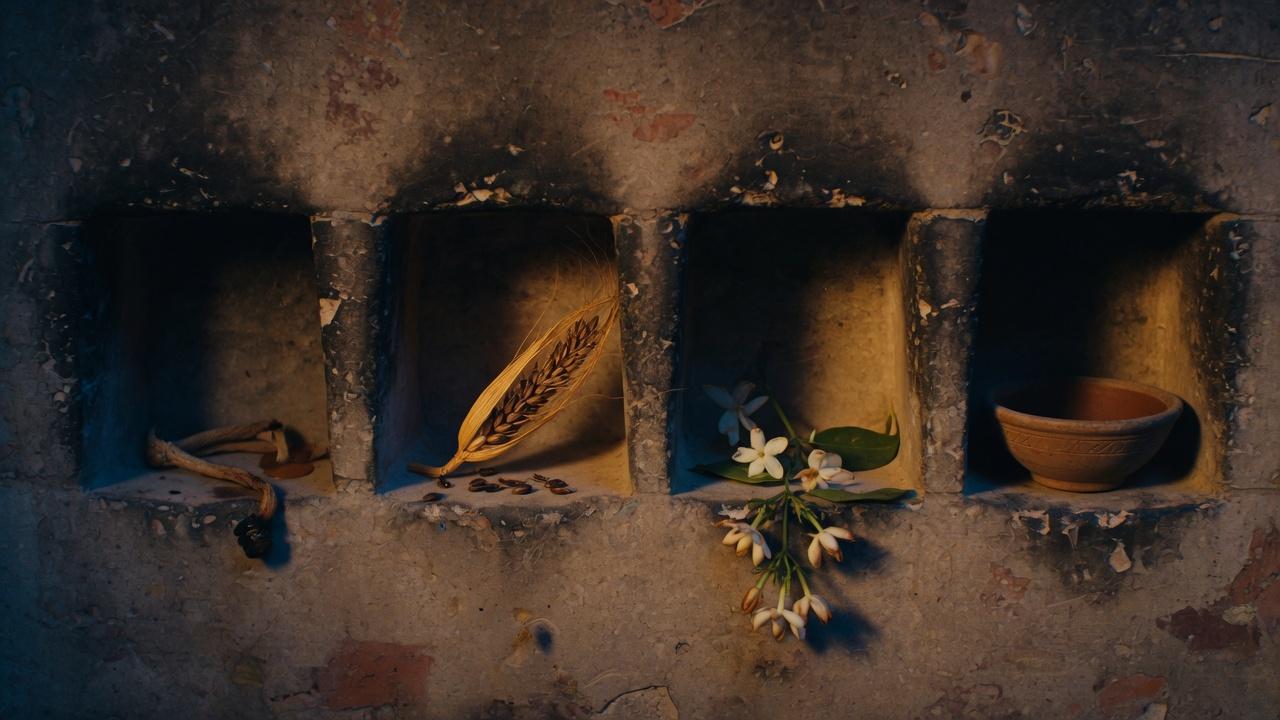
Lesson/Jul 18, 2026
After the four aims, a closer look at dharma as it is actually lived: your work, your house, your people, the long memory.
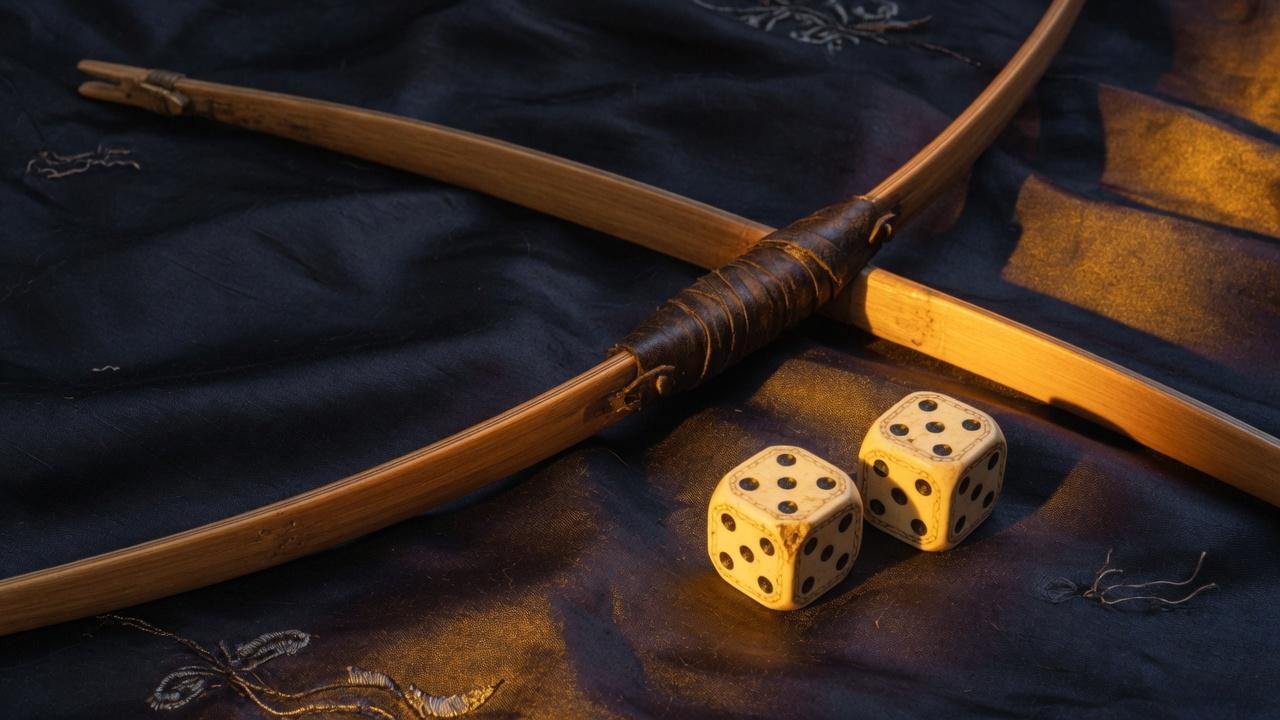
Lesson/Jun 22, 2026
One book is about keeping a vow in exile. The other is about dharma after every clean option is gone. Read them as a pair.

Lesson/May 30, 2026
Swarajya was less a throne than a proof. A people split by court, jati, and countryside could still act as a people.